

March 2026 - Marita Setas Ferro selected for the exhibition “Personal Structures – Confluences” at the Venice Biennale 2026.
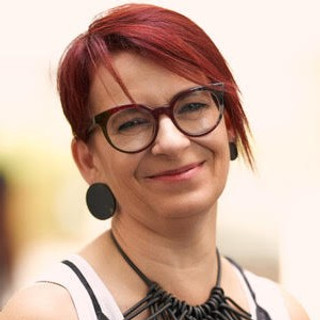
Marita Setas Ferro has been selected to take part in the 8th edition of Personal Structures – Confluences, organised by the European Cultural Centre, within the framework of La Biennale di Venezia 2026 in Venice. Her participation is supported by the Fundação Calouste Gulbenkian, the project’s funding body, reinforcing the foundation’s commitment to the internationalisation of Portuguese contemporary art.
The exhibition will run from 9 May to 22 November 2026 across Palazzo Bembo, Palazzo Mora, and Marinaressa Gardens, bringing together more than 150 artists from over 30 countries. With free admission, this edition unfolds in parallel with the 61st International Art Exhibition – La Biennale di Venezia, titled In Minor Keys, curated by Koyo Kouoh. The European Cultural Centre has established itself as one of the most significant independent platforms within the Biennale context, fostering dialogue between art, architecture, and urgent contemporary issues.
In Venice, Marita Setas Ferro will present her solo project The Echoes of Things from Nature, a body of work deeply rooted in seascapes and organic formations. The installation proposes a deliberate convergence between textile sculpture and ceramics, merging handcrafted crochet made from vintage and surplus threads with ceramic elements shaped from recycled clay. Lightness and density coexist within the same formal language; flexibility and permanence confront one another in a carefully balanced tension.
The sculptures evoke organisms suspended between growth and fossilisation, fragility and resilience. Soft thread expands into coral- and anemone-like volumes, while clay introduces weight and geological memory, anchoring the forms in space. Rather than imitating nature, the works echo its rhythms and cycles of erosion and regeneration, offering a sensitive reflection on ecological vulnerability, memory, and continuity.
By translating techniques traditionally associated with craft into the realm of contemporary sculpture, the artist affirms manual knowledge as an active and critical language. Her practice reconfigures inherited techniques as vehicles for reflection on sustainability, material intelligence, and environmental fragility, aligning with the exhibition’s theme of “Confluences,” which explores the intersections between personal narratives and collective perspectives in a changing global landscape.


Comentários